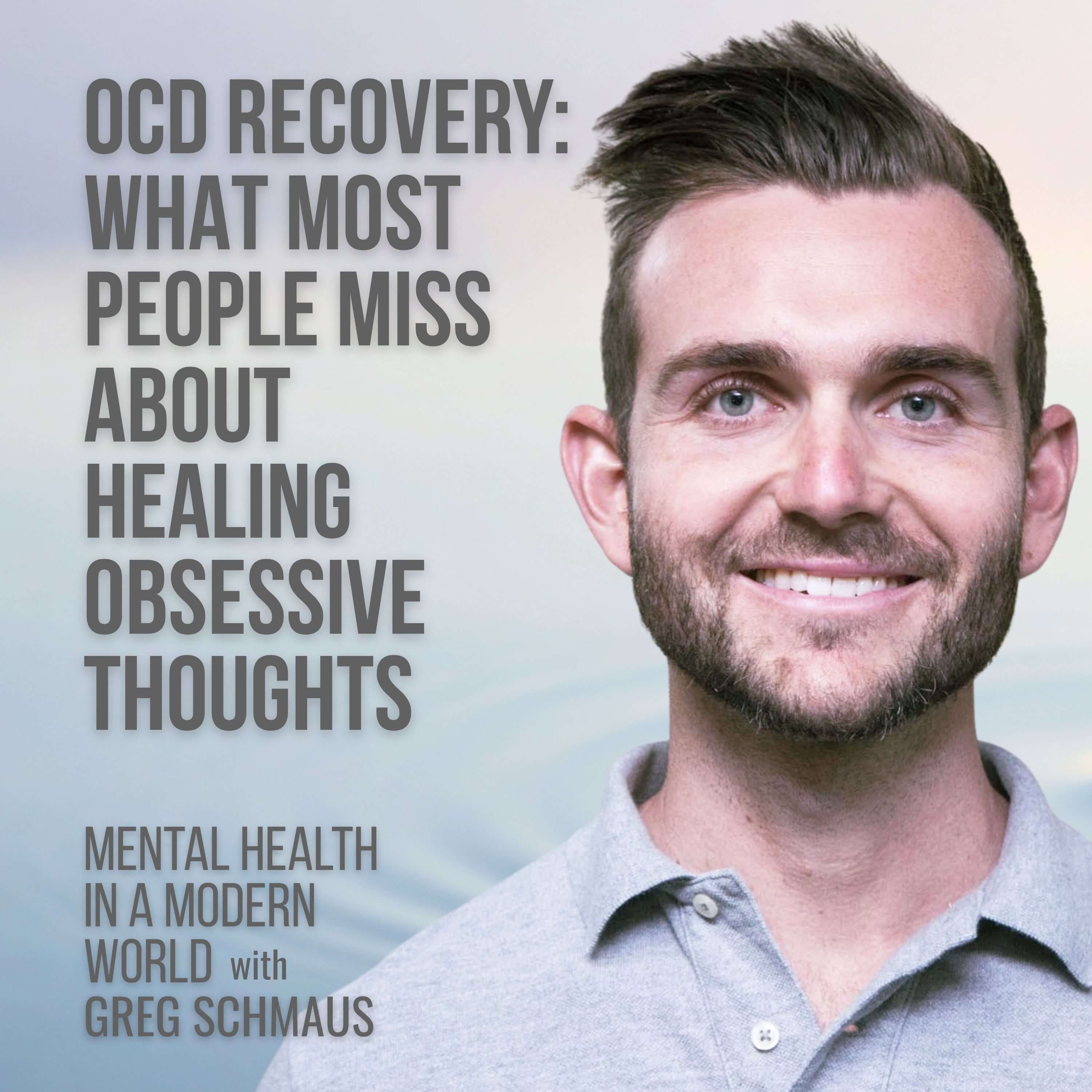
Healing OCD: A Holistic Approach to Obsessive Compulsive Disorder
Finding Peace: A New Path to Healing OCD
Are your thoughts spiraling out of control, leaving you feeling trapped in endless loops? Obsessive compulsive disorder (OCD) can feel like a prison of the mind, rigid and exhausting. But what if there’s a way forward—one that heals from the inside out and honors every part of you? Explore how true transformation starts by addressing the roots beneath the symptoms.
What Is OCD? Rethinking the Condition
Obsessive compulsive disorder is best described as a mental health condition marked by two things:
- Obsessions: Uncontrollable, recurring thoughts that feel intrusive and distressing
- Compulsions: Repetitive behaviors or rituals that provide only temporary relief
Most traditional treatments focus on medication and cognitive therapies. While these can have their place, new breakthroughs point to something deeper: addressing underlying trauma and chronic inflammation to achieve genuine, lasting healing.
The Deeper Roots: Trauma and the Body
Trauma as the Hidden Cause
At its core, OCD often springs from unresolved trauma. When we experience trauma:
- A part of our psyche becomes fragmented and “frozen in time”
- The mind recruits inner “protectors” to shield that wounded part, helping us cope and avoid re-experiencing pain
This means OCD is not just “bad thinking habits.” It’s the mind’s way of keeping emotional wounds locked away—often through hyperactive thoughts and rituals.
The Body Remembers
Trauma isn’t just stored in your mind—it’s woven into your body, especially your tissues and nervous system. Healing requires a somatic approach, helping your body process and release what’s been held for too long.
A Holistic Path: Psychological, Somatic, and Spiritual Healing
Understanding Your Inner System: The Power of Parts
Internal Family Systems (IFS) therapy views the mind as a collection of “parts,” each with a unique role:
- Managers: The obsessive, worry-driven parts that try to prevent pain
- Firefighters: The reactive parts that soothe and put out emotional “fires”—often through compulsive behaviors
- Exiles: The wounded, traumatized parts hidden away for protection
Healing happens not by fighting these parts, but by gently working with them—compassionately listening and inviting parts out of their extreme roles as psychological bodyguards.
From Thinking to Feeling: A Somatic Approach
You can’t outthink OCD. The mind’s language is thought, but the body’s language is feeling. The more we avoid our feelings, the louder our thoughts become. True relief starts by allowing yourself to fully feel and process emotion in the body.
Ask Yourself:
- “What is my mind trying to keep me from feeling right now?”
- “What emotion is waiting to be acknowledged—grief, anger, fear?”
As you access and release stored feelings, obsessive thoughts often quiet on their own.
Mindfulness and Spiritual Integration
OCD isn’t just a psychological or biological issue—it can be a spiritual crisis, too. Flow and surrender are antidotes to rigidity and compulsivity. Drawing wisdom from Eastern philosophies like Taoism and Buddhism, try these paradoxical truths in your healing journey:
- What you resist, persists.
- If you want to shrink something, allow it to expand.
- Non-attachment and non-aversion create greater peace.
Mindfulness, defined as non-judgmental, moment-to-moment awareness, helps you observe your mind like waves on an ocean. Instead of fighting your thoughts, learn to “surf” them with acceptance—they lose their power over time.
Lifestyle First: Building the Foundation for Healing
Your body’s wellbeing is the soil from which mental health grows. Consider these four essentials:
- Diet: Nourish yourself with whole foods; avoid inflammatory processed products
- Rest: Prioritize quality sleep and recovery
- Movement: Regular, joyful exercise supports mind and nervous system
- Happiness: Engage your mind and spirit in what you love
Don’t overlook these basics. When your body is rested, nourished, and supported, you can do the deeper healing work more effectively.
Key Takeaways
- OCD often roots in unresolved trauma stored in both mind and body—healing starts deeper than symptom management.
- Internal Family Systems therapy and somatic practices are powerful tools for untangling obsessive and compulsive patterns.
- Mindfulness and spiritual surrender can help you release rigidity and become present, rather than fueling the cycle.
- Lifestyle changes—diet, movement, sleep, and happiness—are essential foundations for holistic healing.
- True transformation requires compassion for all parts of yourself, with patience and a willingness to try paradoxical, gentle approaches.
Powerful Quotes
“If you want to shrink something, let it expand. If you want to get rid of something, allow it to flourish.” — Greg Schmaus
“You cannot heal OCD in the mind; you heal it in the body.” — Greg Schmaus
“Healing OCD is about surrendering attachment and aversion, and surrendering to the flow.” — Greg Schmaus
Ready for More Support?
Healing OCD is a journey best walked with guidance, nourishment, and the right tools. Explore more holistic mental health resources, subscribe for insights, or reach out to work directly with Greg Schmaus—take the next step toward reclaiming your peace.