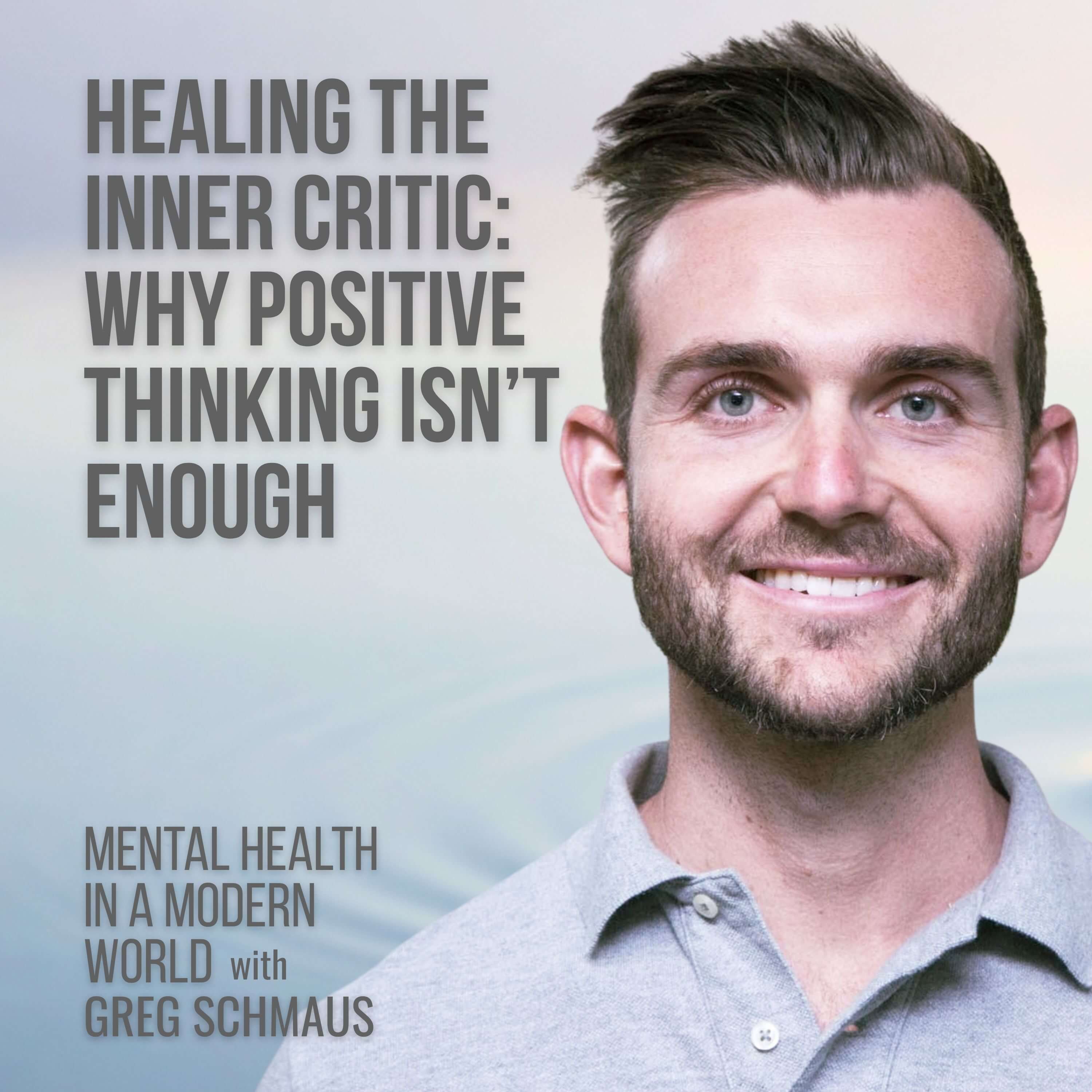
Healing the Inner Critic: Transforming Self-Judgment into Self-Compassion
What Is the Inner Critic?
The inner critic is that internal voice that judges, doubts, or criticizes your actions and self-worth. While it’s often viewed as an enemy, the truth is far more nuanced. This part of your psyche actually aims to protect you, shaped by early life experiences and external critics like parents, teachers, or authority figures.
Origins of the Inner Critic
- No one is born with an inner critic—it’s developed from life experiences.
- Every judgment or criticism comes from borrowed or inherited beliefs.
- Often, it begins with an external critic (a parent, relative, or even societal standards) whose voice becomes internalized.
Example:
A child doesn’t look in the mirror and see flaws—those judgments are learned, typically as a response to criticism or shaming from others.
The Role of the Inner Critic
Protector in Disguise
Instead of seeing the inner critic as an adversary, recognize it as a “benevolent protector.” Its main role is to shield you from future emotional pain—especially wounds of shame, embarrassment, or feeling “not enough.”
How the Inner Critic Attempts to Protect You
- Immunity through Self-Inflicted Hurt:
By criticizing yourself first, you build a kind of emotional armor, dulling the impact of criticism from others. - Motivation to Improve:
The inner critic might act as a harsh motivator, pushing you to improve or achieve perfection in hopes of avoiding outside criticism. - Unconscious Alliance:
Sometimes, we internalize the beliefs of our critics to maintain a sense of loyalty or connection, easing emotional tension.
Why Fighting the Inner Critic Backfires
Many self-help approaches suggest replacing negative thoughts with positive ones or trying to silence the inner critic altogether. While positive thinking has its place, fighting the inner critic often increases inner conflict and polarization, making things worse.
Insight:
What you resist, persists. If you demonize the inner critic, it only grows stronger.
A Holistic Approach: Befriending Your Inner Critic
Step 1: Unblend and Befriend
- Separate yourself from the inner critic—it’s just one part of you, not your whole identity.
- Instead of battling, approach it with curiosity and compassion.
- Acknowledge its role and thank it for its intent to protect.
Step 2: Dialogue and Understanding
- Get curious: Where do you feel the critic in your body or thoughts?
- Ask it: What is it trying to achieve? What wound is it protecting?
- Recognize this part might be stuck in the past, protecting a much younger version of yourself.
Step 3: Identify and Rewrite Inner Contracts
- Write out the “contract” the critic operates under (e.g., “I judge myself so others can’t hurt me”).
- Name the behavior, its perceived benefit, and its cost.
- Explore new, healthier agreements that foster self-compassion and healing.
Key Takeaways
- The inner critic is not your enemy—it’s an inherited protector.
- Every criticism originates from somewhere outside of you; none are innate.
- Fighting or suppressing the critic strengthens it; compassion and curiosity soften it.
- Understanding the critic’s role helps access the core wounds that need healing.
- Changing your relationship with your inner critic is essential for true self-worth and holistic mental health.
Powerful Quotes
“The inner critic is a benevolent protector… trying to protect a pain or a core wound that lives inside of us from a long time ago.”
— Greg Schmaus
“All inner critics are born from outer critics.”
— Greg Schmaus
“We have to really see the benevolence of it, the loyalty of it, the goodness in it, and the role that it’s really trying to play for you.”
— Greg Schmaus
Modern Life and the Inner Critic
We live in an age flooded with information and unrealistic standards. The gap between what we know and what we do can create even more self-judgment. Overconsumption of advice or comparison to others magnifies the inner critic.
Tip:
Mindfully consume information, focusing on what you can integrate and apply, rather than overwhelming yourself.
Final Thoughts & Call to Action
Changing your relationship with your inner critic is one of the most powerful steps you can take on your journey to wholeness. By seeing its true intention, you can shift from self-judgment to self-compassion. Ready to dive deeper?
Explore more resources on holistic healing and mental health, subscribe for ongoing insights, or connect with Greg Schmaus for personalized guidance.