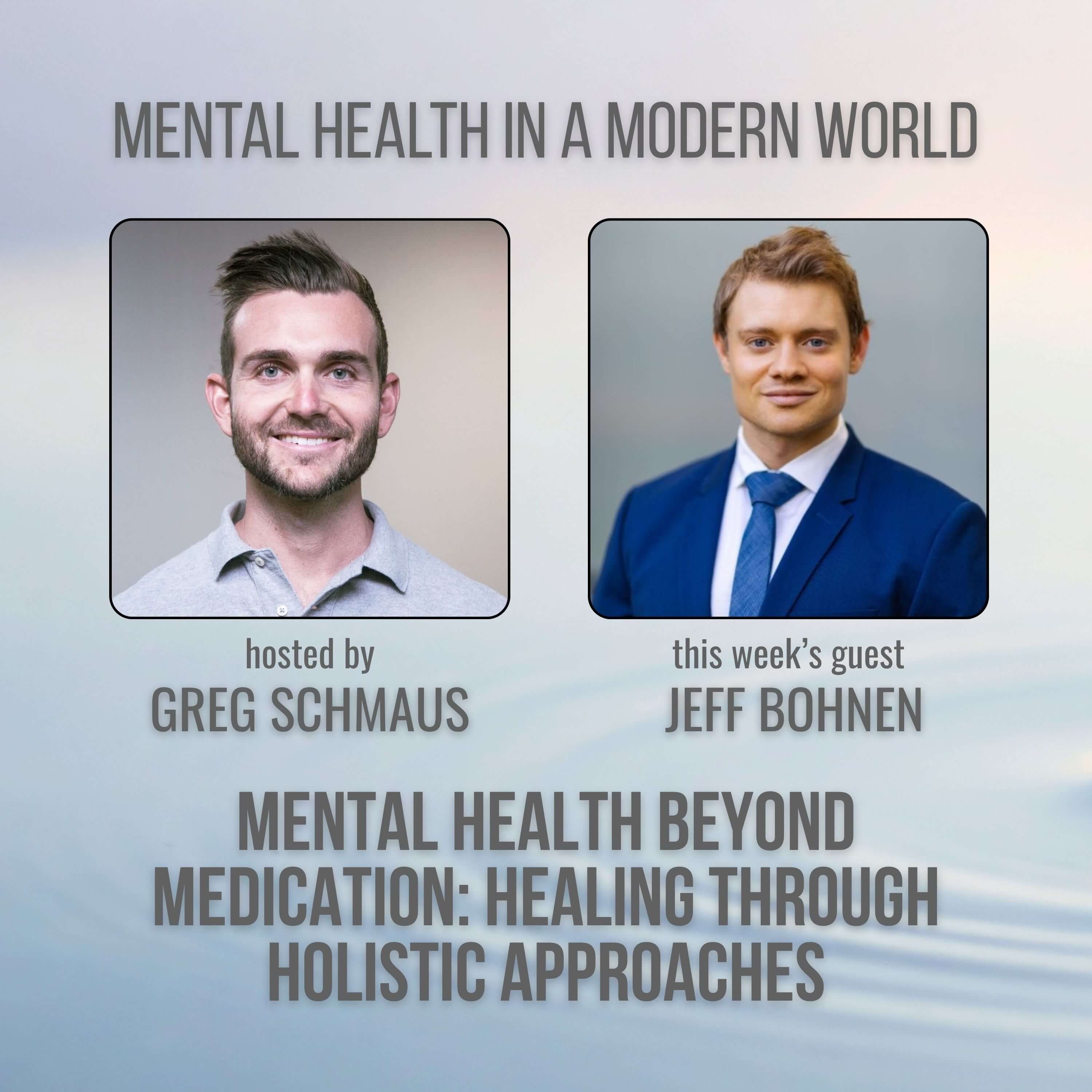
Bridging Holistic Health and Modern Psychiatry: Rethinking Mental Wellness
Are Conventional Approaches to Mental Health Missing the Full Picture?
Have you ever wondered why, despite your best efforts and the latest medications, true mental clarity still feels out of reach? In a world where stress is constant and the pace of life seems faster than ever, more people are questioning whether traditional psychiatry alone is enough. If you’re searching for deeper answers—ones that honor both your mind and your body—you’re not alone.
Welcome to a new conversation about mental health: one where holistic healing and modern science meet.
Blending Holistic Health and Psychiatry: Why Integration Matters
The Conventional Model: Helpful, But Limited
Modern psychiatry focuses on diagnosing and treating mental health conditions primarily through medication and symptom management. While breakthroughs like antidepressants and antipsychotics have provided tremendous relief for some, many still struggle with persistent symptoms or experience side effects that impact daily life.
- Most psychiatric diagnoses rely on subjective symptoms
- Treatments often target a single chemical imbalance, like serotonin
- Many patients do not achieve full remission with medication alone
- High rates of burnout and stress exist even among practitioners
“Western medicine is the most materialist paradigm essentially you can come up with. If we don’t see it, we don’t measure it, it doesn’t exist.”
— Greg Schmaus
Holistic Health: Seeing Patterns Beyond Chemicals
Holistic approaches look at the whole person—including diet, sleep, environment, relationships, purpose, and spiritual wellbeing. These methods aim to address the roots of mental distress, often missed by traditional models. Instead of labeling symptoms as “disorders,” holistic thinking sees them as the body’s attempt to adapt to imbalance.
- Focus on nutrition, movement, community, and environment
- Recognizes the mind-body connection and the impact of lifestyle habits
- Investigates inflammation, metabolic health, and vitamin deficiencies as contributors
- Honors ancient wisdom and new scientific research equally
Where the Two Approaches Meet
A truly integrative model values both the measurable and the meaningful—the physical markers and the invisible forces shaping our wellbeing. Holistic psychiatry doesn’t reject science; rather, it complements it by bringing in modalities backed by centuries of experience and growing research.
“The body is doing what it’s supposed to be doing for a lot of people—but we’ve removed ourselves from the state of optimal conditioning for that body.”
— Greg Schmaus
The Flaws of “One-Size-Fits-All” in Mental Health
Why Chemical Imbalance Isn’t the Whole Story
For decades, depression was thought of as a “serotonin deficiency.” Yet the latest research debunks this oversimplification—most medications help only a small fraction of people beyond a placebo effect. Instead, root causes such as inflammation, trauma, diet, and chronic stress often play a critical role.
“We use these non-biological subjective categories to then apply these biological treatments that often are really missing a big part of the picture.”
— Greg Schmaus
Why Many Conventional Treatments Fall Short
- The most quoted success rates for antidepressants are inflated by outdated studies with financial bias
- True response rates over placebo are much lower (as little as 1 in 11 achieve full remission solely due to the medication)
- Placebo and expectancy effects account for much of the reported improvement
The Power—and Limits—of Medications
Medications can be life-saving for some but are rarely the full answer, especially if underlying issues like nutrient deficiencies, isolation, or trauma aren’t addressed. Ignoring these factors means missing the chance for true healing.
The Overlooked Power of Lifestyle & Holistic Therapies
Nutritional and Metabolic Factors
Many people struggling with anxiety, depression, or other mood disorders have underlying nutritional or metabolic imbalances—vitamin D deficiency, magnesium depletion, or chronic inflammation. These are rarely checked in conventional care, despite their clear impact on brain function and mood.
Integrative Steps That Matter:
- Check and correct vitamin and mineral levels
- Address gut health and the microbiome, which produce key neurotransmitters
- Consider anti-inflammatory diets and metabolic interventions
Healing Environments and Social Connection
Holistic health also emphasizes the “ecology” of our lives: our relationships, daily exposure to nature, movement habits, and sense of community.
Research-backed therapies include:
- Meditation and mindfulness practices
- Physical movement and exercise
- Breathwork and time in nature
- Deepening supportive connections
Meeting Individuals Where They Are
The path to healing is personal. For some, medication is necessary and helpful; for others, lifestyle change or spiritual discovery is transformative. The key is an open, collaborative approach that recognizes this spectrum.
Key Takeaways
- Mental symptoms are often the body’s best attempt to adapt, not “malfunctions.”
- Medications help some, but the majority benefit more from holistic strategies.
- Simple changes—sleep, nutrition, and community—often offer profound results.
- True healing begins by meeting people where they are, and honoring their beliefs and preferences.
- A future model of psychiatry will bridge ancient wisdom and modern science for deep, lasting wellbeing.
Quotes to Remember
“Our genes are still built for an environment that was much older than what we’re living in now… Disease is really just dis-ease with this mismatch.”
— Greg Schmaus
“If a spiritual crisis is part of a patient’s presentation, to have a language to embody that, to have a conversation about that with a patient, that can really be helpful.”
— Greg Schmaus
Ready to Explore a New Way of Healing?
If you’re seeking holistic, compassionate mental health support—or just curious to learn more about integrating mind, body, and spirit—browse the articles, subscribe for fresh insights, or connect with us for guidance on your journey. Your transformation starts here.