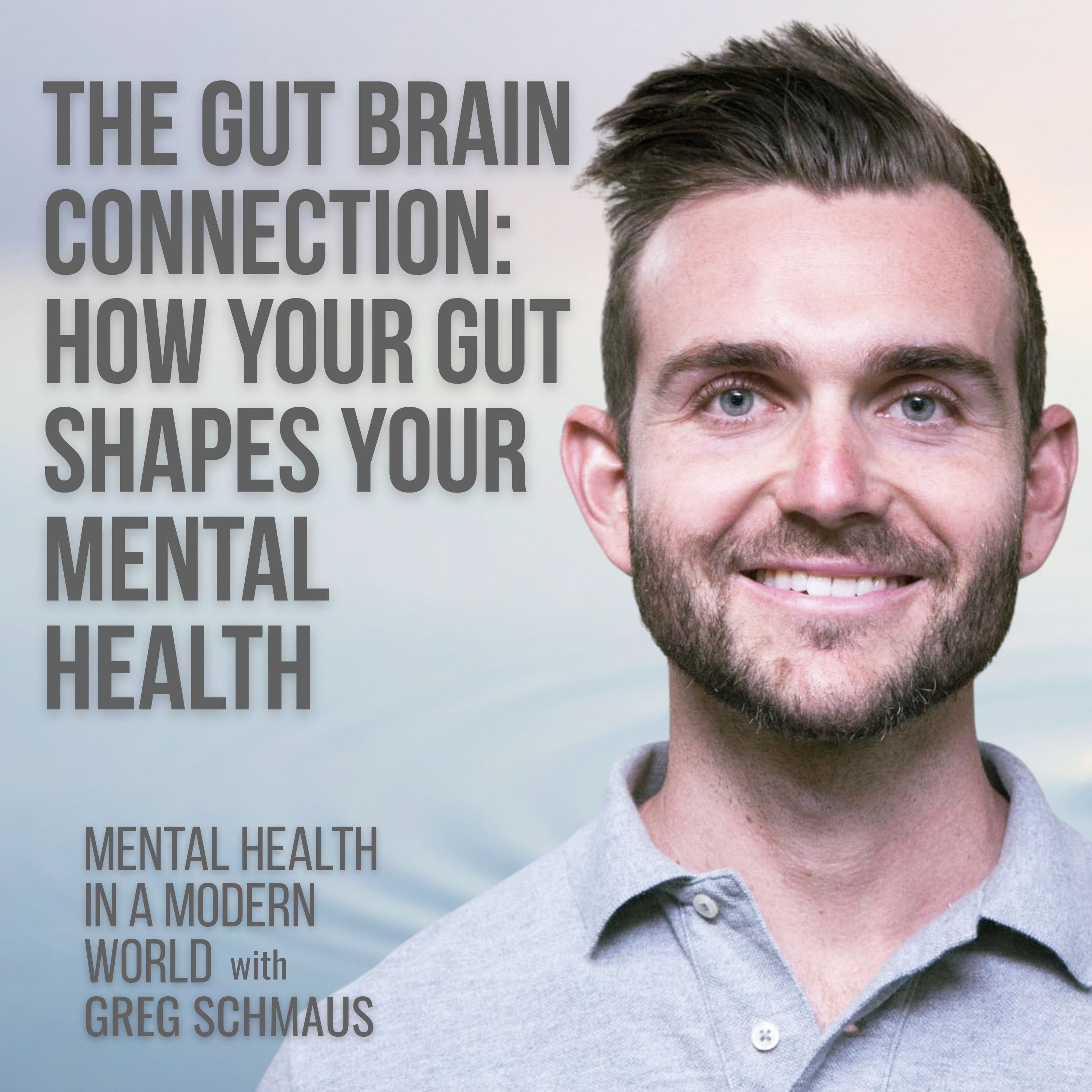
Gut Health and Mental Health: Unlocking the Mind-Body Connection
How Your Gut Shapes Your Mind: What Most People Miss
Have you ever noticed how stress can upset your stomach—or how gut issues leave you feeling anxious or down? You’re not alone. Many people don’t realize just how deeply connected their gut health and mental health truly are. If you feel stuck in cycles of stress, anxiety, or brain fog, understanding this link could be the key to real healing—on every level.
The Overlooked Link Between Gut Health and Mental Wellness
From Chemistry to Biology: Why Your Body’s Ecosystem Matters
Conventional medicine often looks at mental health as a simple “chemical imbalance.” But we’re all much more than that. Our bodies are complex ecosystems—living gardens filled with trillions of bacteria, viruses, and fungi, all interacting every moment.
When we reduce our bodies to chemistry alone, we miss the real source of vitality: biology. The gut, often called the “abdominal brain,” holds more neurons than the brain and spinal cord combined. It’s the center of intuition, instinct, and deep feeling—and a powerful driver of mental health.
Your Gut: The Body’s Communication Bridge
Your gut is a key interface between your body and the outside world. Every meal brings the outer environment inside you—plants, animals, bacteria, and nutrients. The intestinal lining acts as a boundary, deciding what gets in and what stays out. When this boundary is healthy, your body knows itself. When the boundary breaks down, confusion and inflammation can show up, both in the body and the mind.
Healthy gut function supports:
- Clear boundaries between self and environment
- Strong self-identity (even at the cellular level)
- Emotional resilience and clarity
The Gut-Brain Axis: Two-Way Communication
The gut and brain constantly “talk” to each other via the vagus nerve—a major nerve that helps regulate stress and restore calm. Along with nerve signaling, the gut microbiome (trillions of microbes) creates chemical messengers that shape:
- Immune system function
- Hormone and neurotransmitter production (like serotonin)
- Nervous system activity
Imbalances in your gut microbiome (known as dysbiosis) can trigger inflammation, disrupt mood, and impact mental clarity. In fact, up to 90% of serotonin (a “feel-good” neurotransmitter) is made in your gut!
When Gut Health Goes Wrong
Several common factors can damage the gut’s delicate ecosystem and increase gut permeability (“leaky gut”):
- Overuse of antibiotics
- Highly processed foods, excess sugar, and alcohol
- Chronic stress
- Chemical and pesticide exposure
- Low dietary diversity (eating the same things all the time)
- Certain medications (like NSAIDs)
When the gut barrier breaks down, harmful substances can leak into the bloodstream, triggering inflammation and a cascade of stress signals to the brain. This can show up as anxiety, depression, cognitive fog, mood swings, and more.
“A healthy intestinal barrier provides proper communication between the inner and outer environments and healthy separation between what’s you and what’s not you.”
— Greg Schmaus
Whole Health: Beyond Reductionism
It’s tempting to think all mental health challenges start in the gut, but true wellness is much more complex. Our brains, hormones, sleep, relationships, trauma history, and deeper purpose also play massive roles. The key is recognizing the interconnectedness of it all—no part of you exists in isolation.
How to Heal the Gut–Mind Connection
1. Feed Your Inner Ecosystem
Support your gut with a variety of whole, fiber-rich foods—think colorful fruits, veggies, prebiotics, and (if tolerated) fermented foods. The more diversity in your diet, the more resilient and balanced your gut microbiome becomes.
2. Reduce Unnecessary Insults
Protect your “inner garden” by minimizing things that disrupt gut health:
- Limit alcohol, processed foods, and excess sugar
- Use antibiotics, medications, and NSAIDs only when truly needed
- Choose organic to reduce chemical and pesticide exposure when possible
3. Nurture Your Nervous System
Even the best diet can’t help if you’re always in “fight or flight.” Calm your nervous system so your body can digest, heal, and thrive. Support your mental and gut health by:
- Prioritizing quality sleep and circadian rhythm
- Gentle exercise (avoid overtraining) and time outdoors
- Mindful practices like meditation, breathwork, qigong, or tai chi
- Building social connection and gratitude
“You’re better off having a well-balanced nervous system than a perfect diet.”
— Greg Schmaus
4. Herbal and Supplemental Support
Some may benefit from probiotics, prebiotics, digestive enzymes, or herbs like glutamine, licorice root, and aloe vera. But remember: supplements are meant to support—not replace—a holistic approach.
5. Honor Your Body’s Wisdom
When your body is inflamed or stressed, it’s tempting to disconnect and “live from the neck up.” True healing comes from gently reconnecting mind and body, and learning to tend your inner garden.
“Thinking is the language of the mind. Feeling is the language of the body. When the body’s inflamed… we start to live from the neck up to avoid feeling what’s happening below.”
— Greg Schmaus
Key Takeaways
- Your gut and brain are deeply connected—imbalances in one can trigger problems in the other.
- Support gut health with dietary diversity and minimize processed foods, alcohol, and unnecessary medications.
- A calm nervous system is just as important as good nutrition for healing.
- Supplements can help, but aren’t a sole solution—focus on a holistic, integrative approach.
- Tending your “inner garden” transforms not just your body, but your mind and sense of self.
Ready to Heal Your Mind and Body?
Curious about holistic ways to heal your mind and body? Explore more wellness resources, subscribe for insights, or connect for integrative coaching to support your personal transformation—inside and out.