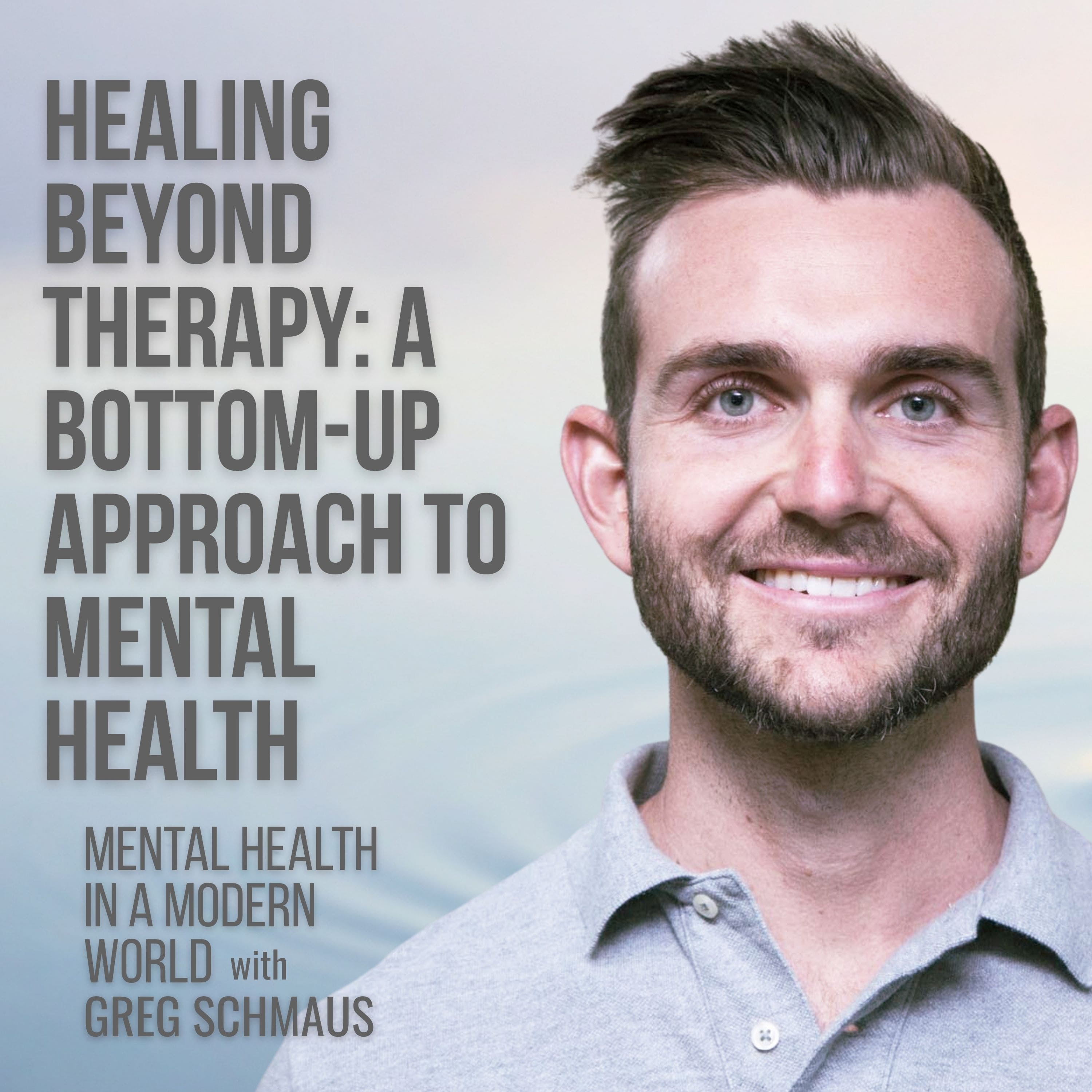
Holistic Mental Health: Why Your Body Is the Best Place to Start
Why Your Body Shapes How You See Reality
The Windshield Effect
Think of your mind as the windshield you see reality through, and your body as the car. When the car is toxic or inflamed, the glass gets dirty and everything looks harder to read. As the body gets healthier, it’s like a trip through the car wash. You see more clearly.
“Your mind can only be as healthy as the body it’s living in.”
Your Nervous System Is the Bridge
Your autonomic nervous system connects body and mind. It tracks how safe or threatened you are and reports that to your mind.
- In a parasympathetic state (rest, digest, relax, restore), you perceive life through safety, connection and even abundance.
- In a sympathetic state (fight or flight), your mind scans for threats and focuses on the negative, because that is how it keeps you alive.
An unhealthy body pushes you toward fight or flight. That can feed anxiety, depression, ADHD and OCD.
The body also doesn’t sort stress into categories. Work, relationships, money, food and sleep all add up into one total stress load.
Nutrition: Blood Sugar, Inflammation and Your Gut
Stabilize Your Blood Sugar
Processed carbohydrates and sugar cause a spike and a crash. That rollercoaster drives inflammation and excess cortisol. It is also why we get “hangry.” Low blood sugar makes emotional regulation harder.
The fix is simple: include protein, fat and fiber at every meal.
Lower Inflammation
Processed foods can create low-level chronic stress in the body. Over time, inflammatory eating can contribute to gut permeability, a stronger immune response, and inflammation that reaches the brain. A whole, unprocessed food diet is the starting point.
Feed Your Microbiome
Your gut bacteria help produce hormones and neurotransmitters, and most of your serotonin is made in the gut. Eat a wide variety of plant foods, fruits, vegetables and fibers, plus fermented foods if you tolerate them.
Hydration: The Overlooked Mood Factor
Dehydration stresses the nervous system and affects mood, attention and emotional processing. Aim for about half your body weight in ounces of water per day. Quality matters just as much as quantity, so choose filtered water with adequate minerals, and add sea salt or trace minerals if needed.
Sleep and Dream Time
We all know how short sleep feels: irritability, reactivity and a shorter fuse. Poor sleep raises stress hormones, disrupts blood sugar and increases amygdala activity, the brain’s fear response.
A helpful rhythm is bed around 10 PM and rising around 6 AM, in a dark, cool room with fewer electromagnetic exposures. Dreaming also matters. While the conscious mind rests, the unconscious mind organizes and processes.
Breath: Your Direct Line to the Nervous System
Breathing is both voluntary and involuntary. That makes it your greatest access point to your autonomic nervous system.
Shallow mouth or chest breathing pushes you toward fight or flight. Slow, nasal, diaphragmatic breathing lowers stress hormones and moves you toward rest and restore.
“How you breathe informs your autonomic nervous system, and therefore your mind, your mental health, and your perception of reality.”
Try box breathing: in through the nose for four, hold for four, out for four, hold for four.
Movement, Posture and Your Emotions
Exercise supports serotonin, dopamine, endorphins and BDNF, a growth factor for the brain. Some studies suggest aerobic exercise and strength training can rival antidepressants.
Posture and mood mirror each other. A collapsed posture often goes with a collapsed mood, and opening the chest can help open you to life. Pulling exercises, like rows, say “yes” by bringing something in. Pushing exercises say “no” by setting a boundary.
Balance matters too. Tai Chi and Qigong are gentle, parasympathetic forms of movement. Stretching and foam rolling release tissue where emotion can be held. And walking, for thirty minutes to a couple of hours in nature, may be some of the best medicine for the mind.
Free Tools: Sauna, Cold Plunge and Grounding
Heat followed by cold supports hormone and neurotransmitter production. Bare feet on the earth, known as grounding, can reduce stress hormones and calm inflammation.
You can think of it as the four elements. Earth is grounding. Water is cold plunge. Fire is exercise and sauna. Air is breathwork.
“The elements of nature are very often free medicine.”
Key Takeaways
- Practice slow nasal breathing or box breathing daily to calm your nervous system.
- Build meals around protein, fat and fiber to steady your blood sugar and mood.
- Drink filtered, mineral-rich water, about half your body weight in ounces.
- Protect your sleep with a regular schedule and a dark, cool room.
- Walk outside every day and get your bare feet on the earth.
Get the body healthy first, and you create the bandwidth for deeper emotional and trauma work. These practices support, and don’t replace, care from your doctor or therapist.
If this resonates, explore more conversations on holistic mental health, subscribe to Mental Health in a Modern World, or connect with Greg Schmaus to learn more about working together.