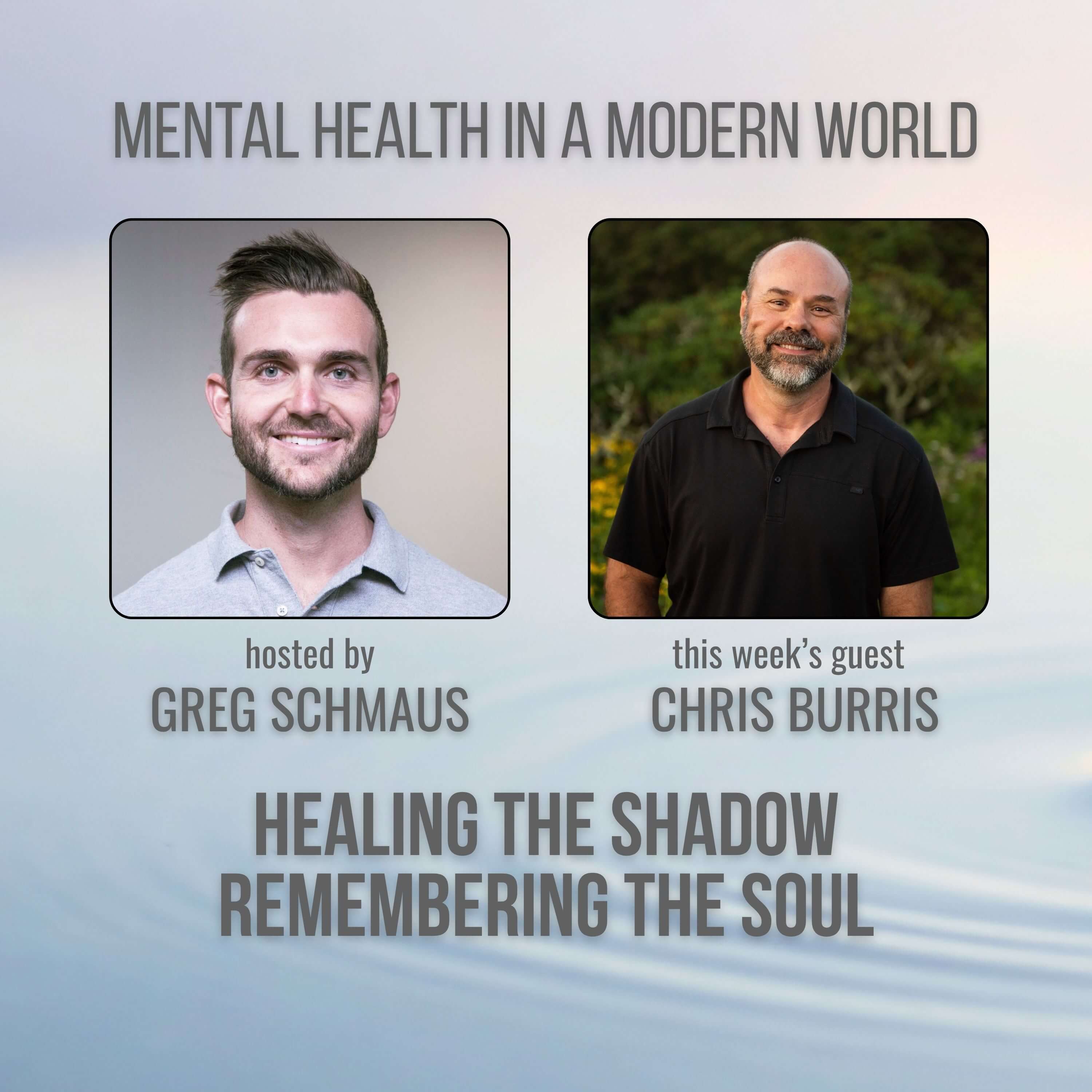
Healing the Mind: Integrating Parts Work and Holistic Therapy for Mental Health
Why Our Minds Are Naturally Multifaceted
Contrary to the old view that the psyche is a single, unified entity, new perspectives in holistic therapy and modern psychology recognize our minds as naturally composed of different “parts” or aspects. These parts—sometimes in conflict, sometimes in harmony—help us adapt, survive, and process life’s challenges.
- Parts develop naturally as we respond to stressors or trauma.
- Some parts protect us by taking on roles like the inner critic or the avoidant, perfectionistic self.
- Others, called exiles, may hold painful memories or emotions that weren’t safely processed.
Trauma and the Role of Protectors
When a person faces overwhelming or isolating experiences, parts of the psyche step in to protect the core self:
- Fight, flight, freeze, or fawn responses may become locked in the body if not completed.
- Negative beliefs about ourselves can get “stuck” and shape how we see the world.
- Protective strategies often serve us initially, but can become limiting if left unaddressed, manifesting as anxiety, depression, or compulsive behaviors.
From Pathology to Adaptive Strategy
Holistic therapy reframes many mental health struggles not as disorders, but as adaptive strategies: creative ways our minds have tried to protect us. While biology plays a role, a significant portion of so-called “mental illness” often arises as a survival response.
This understanding invites us to move from shame and self-blame to curiosity: What is this part of me trying to accomplish?
Befriending All Parts: The Core of Internal Family Systems
There Are No Bad Parts
The heart of Internal Family Systems (IFS) and similar modalities is the radical idea that there are no bad parts. Even the loudest inner critics or most resistant habits have a benevolent aim—usually to keep us safe.
- Resisting or fighting parts tends to make symptoms worse.
- Befriending even the harshest parts can soften their intensity and open new possibilities for healing.
How to Befriend Your Inner Parts
- Get curious. When you notice a self-critical thought, pause and ask, “What’s this part trying to protect me from?”
- Listen deeply. Rather than pushing it away, treat it as a messenger with real concerns.
- Build relationship. Over time, your parts can shift and take on more supportive roles once they feel understood and safe.
Healing Beyond the Individual: The Power of Community
Why We Need Each Other
True healing rarely happens in isolation. Community—especially spaces of intentional, authentic connection—can provide the support, reflection, and safety needed for deeper transformation. Our current culture often prizes individualism, making it harder to experience the healing power of belonging.
Healing Circles and Group Work
- Healing circles offer a space to experience being seen, accepted, and mirrored back by others.
- Group sculpting externalizes internal dynamics, making them visible and workable with the support of community.
- Learning in community helps us build capacities that are nearly impossible to cultivate alone.
Holistic Approaches: Mind, Body, Spirit
Modern approaches to mental health are increasingly integrating the body, acknowledging biological and lifestyle factors alongside psychological and spiritual dynamics.
- Whole-person care may involve collaboration with medical doctors, functional wellness practitioners, and somatic therapists.
- Addressing both biology and psychology is essential for holistic healing.
Elderhood & Initiation: The Missing Links
Our culture frequently overlooks the guiding presence of wise elders and the importance of personal initiation. These elements are crucial for developing a sense of responsibility, service, and belonging.
- Elders model how to bring personal gifts to the community.
- True initiation moves us from a self-focused to a community-focused way of living.
Key Takeaways
- Your mind is naturally multifaceted: Embrace your inner parts as adaptive, protective, and worthy of compassion.
- True healing is holistic: Addressing physical, emotional, and spiritual needs creates a sustainable path to well-being.
- Symptoms are messengers, not enemies: Instead of fighting anxiety, depression, or the inner critic, listen for what they’re protecting.
- Community is medicine: Healing in groups or circles provides support, reflection, and accountability that can’t be found alone.
- Growth is lifelong: Seek out elders, mentors, or intentional communities to support your journey toward wholeness.
Powerful Quotes
“We can’t take people places we haven’t gone ourselves. If we haven’t unburdened our own pain, it’s really hard to help others do that for themselves.”
“A lot of what we pathologize as mental illness is actually an expression of our protective system—parts of us working overtime to keep us safe.”
“Being healthy in a messed up world isn’t the easiest thing, but intentional community can help us belong, heal, and thrive.”
Ready to Transform Your Mental Health Journey?
If you’re inspired to deepen your healing, explore more holistic mental health resources, or connect with others on the path, check out our other articles, subscribe for updates, or reach out to learn about upcoming workshops and community circles.