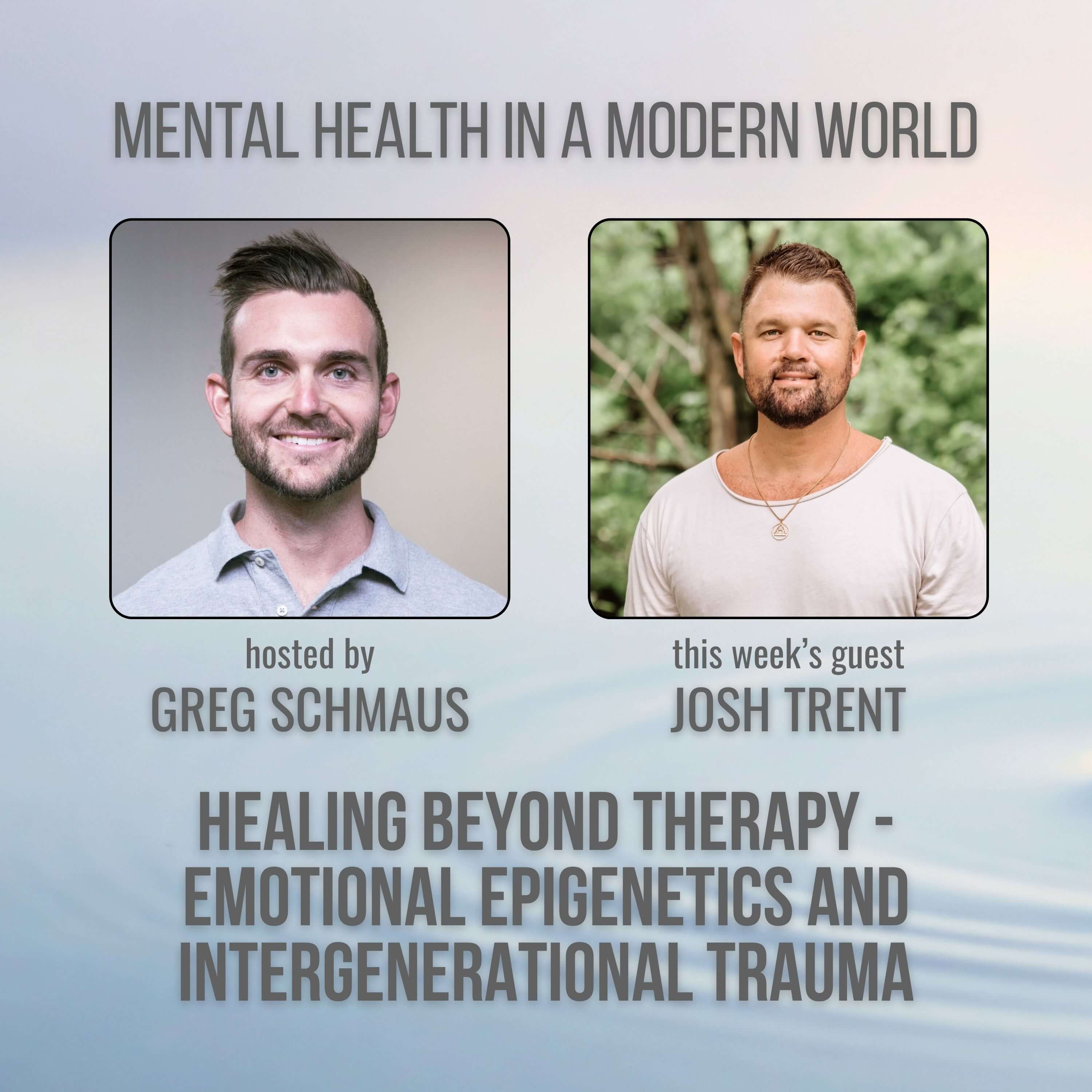
Unlocking Mental Health: Healing the Self and Embracing Emotional Epigenetics
Are You Ready to Break Free from Unseen Mental Patterns?
Have you ever felt trapped by emotions or beliefs you can’t explain? Do you sense there’s more to mental health than just managing symptoms? If you’re craving deeper healing—not just quick fixes—you’re in the right place. Let’s explore how holistic tools and emotional epigenetics can transform your well-being from the inside out.
Understanding Mental Health in a Modern World
The Crisis Beneath the Surface
Today, our fast-paced world often pushes us out of alignment with our true selves. Many struggle with mental health challenges, feeling like their minds or emotions are holding them hostage. What if the root of these struggles lies in unhealed experiences—not just from our own lives, but from generations past?
What Is Emotional Epigenetics?
Emotional epigenetics is the idea that our emotions, unconscious beliefs, and environmental experiences are passed down through our lineage. It’s more than genetics; it’s about how patterns of trauma, coping, and adaptation get encoded and expressed in our lives. This means the emotional wounds—or strengths—of our ancestors can influence our well-being today.
Key ideas:
- Trauma and adaptation often begin in childhood or even before birth.
- Unintegrated parts of ourselves, especially our “inner exiles,” influence how we think, feel, and behave.
- Healing is not about blame, but about understanding “what happened,” so we can consciously integrate all aspects of ourselves.
The Journey to Integration and Authenticity
Why Self-Abandonment Happens
When growing up, many of us compromise our authenticity to keep attachments with caregivers, even if those connections are insecure or unsafe. This can lead to self-abandonment, where vital parts of who we are become suppressed or fragmented.
Reconnecting with Your Inner Child
A recurring theme in deep healing is learning to acknowledge and nurture the younger you—the “inner child.” By bringing unconscious patterns to light, you stop being ruled by them and start living with greater presence and wholeness.
The Mirrors of Life: Learning Through Relationships
True healing isn’t just a solo journey. Our relationships—especially with children, partners, friends, and even at work—act as mirrors, reflecting the truth of who we are. Embracing all facets of ourselves, even the messy or painful parts, is essential for genuine wellness.
From Surviving to Thriving: Redefining Wellness and Wisdom
Wellness Beyond Micromanagement
Wellness isn’t about perfectly managing what you eat, how you exercise, or having the “right” routines. Instead, it’s about nourishing every aspect of your life—physical, mental, emotional, spiritual, and financial—and shifting the focus from “I” to “we.”
The Difference Between Knowledge and Wisdom
Information is everywhere, but wisdom comes through experience, adversity, and the intention to integrate what we learn into daily life. True wisdom is knowing yourself deeply and relating harmoniously with others.
Rediscovering Eldership
Our modern world often lacks genuine wise elders—people who embody lived experience, humility, and authenticity. Seeking mentorship from truly integrated individuals is invaluable for personal growth.
The Liberation Loop: Transforming Limiting Beliefs
One practical tool for healing is the “Liberation Loop.” By reversing the cycle of Belief → Thought → Feeling → Action, you can identify the core limiting belief at the heart of patterns like addiction, self-sabotage, or unhealthy relationships. When you challenge and consciously replace this belief with one rooted in self-worth and possibility, you actively rewire your patterns and form a new, healthier identity.
Key Takeaways
- Emotional Patterns Can Be Inherited: Many mental health struggles trace back through emotional epigenetics, not just personal experiences.
- Wholeness Requires Integration: Healing comes from embracing and integrating all parts of yourself, especially those you’ve abandoned.
- Authenticity Spurs Wellness: True well-being blooms when you align with your authentic self and shift from “me” to “we.”
- Wisdom Trumps Information: Seek lived wisdom—not just knowledge—by learning from those who embody honesty, presence, and humility.
- Change Needs Action and Community: New beliefs must be lived, practiced, and supported in healthy community for true transformation.
Powerful Quotes
“Until you make the unconscious conscious, it’ll rule your life and you’ll call it fate.”
“The quality of my life is dictated by the authenticity of my being; when I’m authentic, I’m at peace.”
“Healing isn’t about blaming parents or fighting the past—it’s about taking an emotional inventory and celebrating the authentic self.”
Ready for Deeper Healing?
If this resonates with you, explore more articles on holistic mental health, subscribe for fresh insights, or learn how to work with Greg Schmaus for your own journey of healing and integration. Your path toward authentic wellness begins with a single, conscious step.