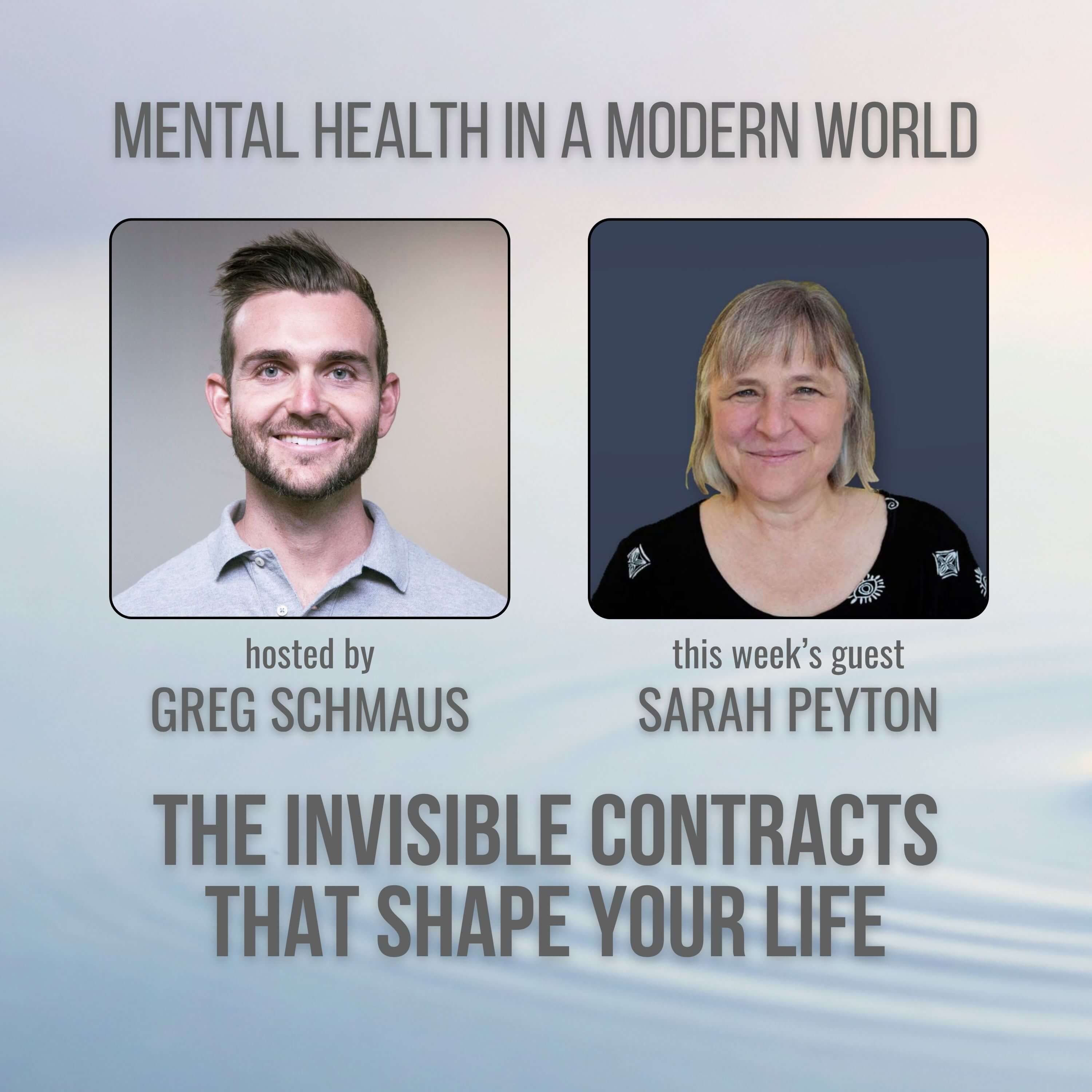
How Resonance and Unconscious Contracts Shape Mental Health
Are You Repeating Old Patterns That Keep You Stuck?
Have you ever wondered why the same issues keep resurfacing, even after years of personal growth or therapy? Maybe you’ve struggled to break free from anxiety, people-pleasing, or sabotage—despite your best intentions. You’re not alone. Hidden in our nervous systems are old patterns and “contracts” that shape how we act, connect, and heal. Are you ready to discover how resonance and deep relational healing can finally set you free?
Understanding Resonance: The Key to Deep Connection
What Is Resonance?
Resonance is more than just empathy—it’s the invisible vibration between humans that relaxes the body and rewires the brain for healing. Sarah Peyton describes it as the process where “human bodies vibrate with one another,” allowing us to ride the shared waves of emotion and truly feel seen.
- Resonance is the sense we get when someone really “gets” us.
- It combines both precision (the accurate naming of emotion) and warmth (caring presence).
- When we experience resonance, our bodies and brains start to relax and new possibilities open up.
The Power of Metaphor
Metaphors aren’t just poetic—they’re the language our brains use to make sense of emotional experiences.
- Every six words humans use, on average, one is a metaphor.
- Metaphors help us frame our inner worlds, providing a bridge between feelings and understanding.
By using metaphor deliberately, we can create profound relaxation and insight. As Greg Schmaus puts it, metaphor helps our nervous system feel understood, inviting transformation.
Moving Beyond Advice: Why Accompaniment Heals
In a culture obsessed with independence and quick fixes, we’re conditioned to offer advice instead of presence. But true healing doesn’t come from being told what to do—it comes from having someone accompany us in our pain, without judgment or solutions.
- Our brains are wired for connection and shared experience.
- Advice, especially when unsolicited, often spikes stress hormones like cortisol.
- Accompaniment—being with someone in their experience—regulates the nervous system and opens the door to healthy change.
Consent and attunement are central. Instead of jumping to solutions, we can ask: “Would you like some acknowledgment of what you’re feeling?” This small shift can change everything.
Unconscious Contracts: The Hidden Agreements That Run Our Lives
We all carry unconscious “contracts”—agreements formed in childhood or trauma—that drive self-sabotage or keep us stuck.
What Are Unconscious Contracts?
Unconscious contracts are hidden vows our brains make to keep us safe, based on our earliest relationships. For example:
- “I will care for others at the expense of myself, in order to secure my worth, no matter the cost.”
- “I must not show vulnerability, in order to protect myself from pain.”
These contracts protected us once but often become barriers to joy and growth.
Transforming the Contract
The antidote is not willpower but awareness and self-compassion. Examining your contract might look like:
- Naming the behavior or pattern (“I overgive and neglect myself”).
- Stating the unconscious contract (“I do this in order to… whatever the hidden benefit is, no matter the cost”).
- Asking: Does this really serve me now?
- Releasing the contract and offering yourself a new, compassionate invitation instead.
The Family Constellation: You’re Not Alone in Your Patterns
Our individual mindset isn’t just ours—it’s shaped by family, ancestry, and culture. Constellation work reveals that each of us acts as a convergence point for past, present, and future, often reenacting family patterns unconsciously.
- We may take on roles like caretaker, rebel, or “invisible” person, echoing our family history.
- Even addictive behaviors (such as sugar habits) can carry multi-generational contracts, compensating for missing flows of nurture or love.
- Recognizing and releasing these inherited patterns allows us to step fully into our own lives.
Practical Tools for Healing
Whether you’re struggling with anxiety, chronic people-pleasing, or addiction, resonance and constellations offer practical tools:
- Practice naming feelings with both precision and warmth.
- Use metaphor to describe your experience.
- Offer accompaniment instead of advice to yourself or others.
- Explore and update your unconscious contracts.
- Remember: Your patterns are part of a larger field—you are not “defective,” but human.
Key Takeaways
- Resonance is foundational for transformation: Combining emotional precision with warmth helps the nervous system relax and heal.
- Unconscious contracts drive self-sabotage: Bringing them to conscious awareness is the first step toward change.
- Accompaniment beats advice: Presence, not fixing, is what our nervous systems crave.
- Metaphor accelerates understanding: It’s a natural tool for making hidden emotions visible and workable.
- You’re part of a systemic web: Family and societal patterns influence personal struggles—constellation work can unlock freedom.
Quotes
“Resonance is the balance of precision and warmth.”
— Sarah Peyton
“We are not the individuals we think we are. We are extraordinarily interconnected.”
— Sarah Peyton
“The issues we have are metaphors for where our brains are tied in knots and need to be untangled so we can become who we’re meant to be.”
— Sarah Peyton
Start Your Healing Journey
Ready to explore how resonance and constellation work can help you break old patterns? Dive into more resources, subscribe for insights, or connect with Greg Schmaus for transformative support on your mental health journey.