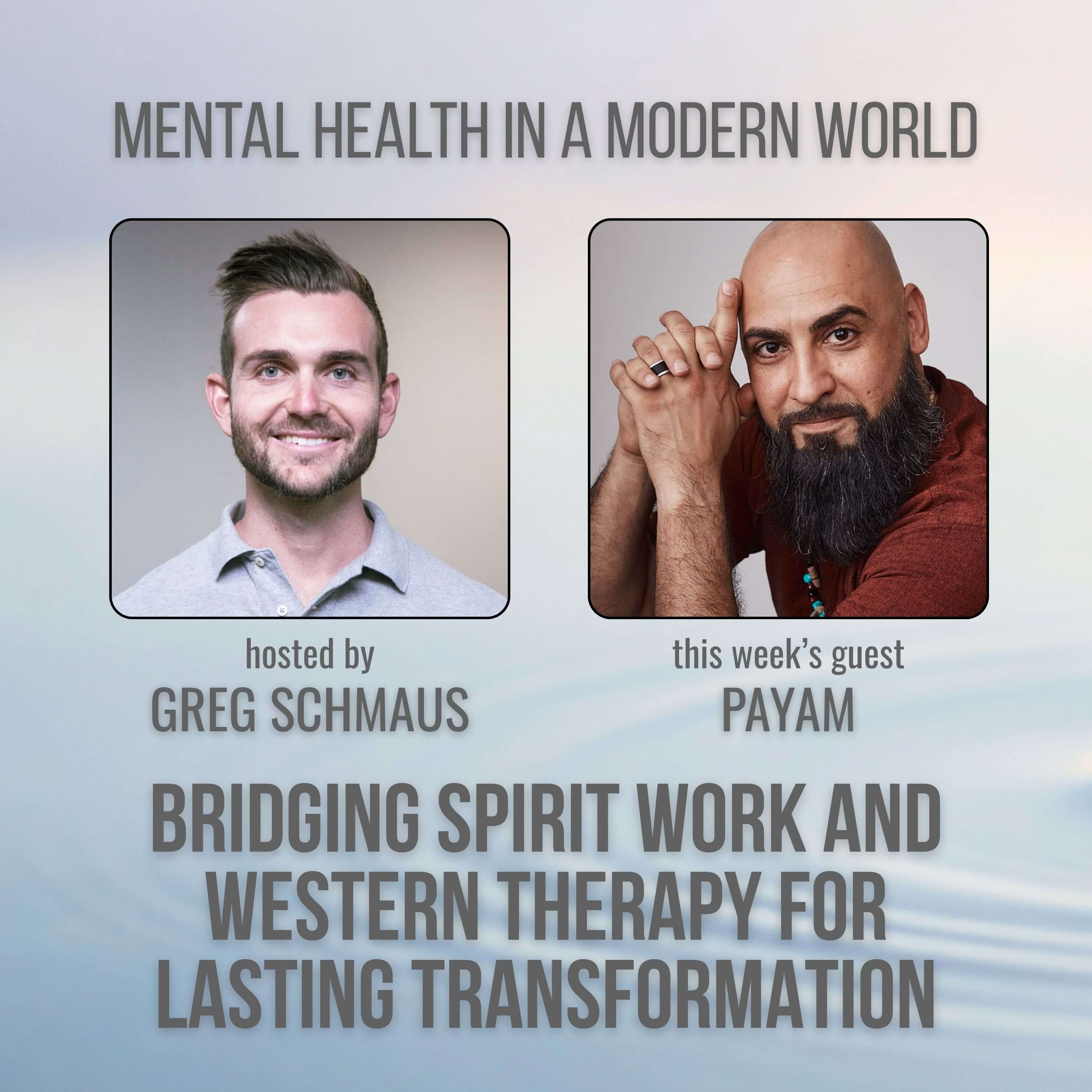
Bridging Spiritual and Clinical Healing: Unlocking Your Soul’s Blueprint
Are You Seeking a Deeper Healing Path?
Ever feel like traditional therapy only scratches the surface? Or that your pain runs deeper than today’s quick fixes can reach? If you long for an approach that honors your spirit as much as your mind and body, you’re not alone. The intersection of ancient wisdom and modern mental health offers a powerful path to authentic transformation and lasting healing.
Rediscovering Your Soul Blueprint
The Crisis of Modern Mental Health
Many people feel disconnected—from themselves, their purpose, and each other. In the rush of today’s world, our systems for healing often lean into numbing symptoms rather than inviting genuine transformation. Clinical models typically focus on stabilization, while deep healing calls for something more: a return to our essential self.
What Is the “Soul Blueprint”?
Your soul blueprint is your unique, authentic essence—the self you were born to embody before layers of pain, programming, and performance crept in. Through life’s challenges and the need to fit in, we often forget this deeper truth and adapt social masks to survive.
Key insight: Lasting healing isn’t about perfecting your mask. It’s about remembering who you are underneath it all.
Integrating Spirit and Science
Shamanic Wisdom Meets Clinical Therapy
Holistic facilitators like Payam are pioneering a path that bridges spirit medicine with evidence-based practices such as family systems and somatic experiencing. This approach addresses:
- Childhood and ancestral wounds
- Parts of self formed by trauma
- Body-based imprints and nervous system patterns
- Deep disconnection from nature and spirit
By honoring both Western and indigenous wisdom, clients are supported through every level of healing—not just the mind, but body, spirit, and community as well.
The Power and Responsibility in Medicine Work
Shamanic initiation is demanding. It asks for humility, courage, and a willingness to move through—not avoid—pain. Spiritual or psychedelic medicines aren’t a shortcut; they are tools that, when used with integrity, help dissolve outdated identities, reveal shadow material, and reconnect you to purpose.
Choosing a facilitator requires discernment: Reputation, personal alignment, and clear consent are essential—credentials alone are never enough.
Healing Through Initiation, Not Indoctrination
The Lost Art of True Initiation
Ancient cultures recognized the importance of rites of passage. These initiations, often involving hardship, hardship, or ordeal, were designed to break through ego and surface identity, ushering individuals into maturity and deeper purpose.
Without real initiation, we risk creating a culture of indoctrination—where beliefs are handed down without question, and authentic selfhood is replaced by performance.
The Role of Community and Men’s Work
Real healing rarely happens in isolation. For many, men’s circles and community-based ceremonial work restore what’s missing: safety, brotherhood, and the opportunity to be fully seen. In these sacred containers, men rewrite limiting scripts from childhood, step beyond performative masculinity, and support one another’s vulnerability and power.
The Mechanics of Spirit Medicine & Parts Work
Organic vs. Synthetic Medicines
- Organic medicines (like psilocybin) carry living intelligence and connect you to the collective consciousness of Earth and ancestral wisdom.
- Synthetic medicines (like MDMA or ketamine) can help dissolve defenses and facilitate deep parts work, but may not interface with outside intelligences in the same way.
A skilled guide knows which tools serve which stages of healing—and that not every medicine or dose is right for every person.
Navigating the Psyche: The Art of the Tracker
True facilitators do more than “sit and watch.” They become trackers in the spirit world, joining clients in the internal landscape to help find root wounds—whether from childhood, inherited ancestral traumas, or even past lives. This demands years of personal initiation and a deep relationship with the medicines themselves.
Key Takeaways
- Integration transforms: Healing is most powerful when it bridges spirit, mind, and body—honoring ancestral wisdom alongside modern therapeutic modalities.
- Initiation, not numbing: Pain and suffering, when consciously approached, become gateways to genuine transformation, not symptoms to be numbed away.
- Discernment is vital: Choose a facilitator with integrity, experience, and personal resonance—not just credentials or popularity.
- Embrace discomfort: True healing often involves dismembering outdated identities and facing your shadow, not bypassing it.
- Community heals: Safe, authentic spaces—especially among men—can rewrite decades of self-protection and isolation.
Quotes to Inspire You
“This is a vocation that chooses you. Ultimately, it’s not a vocation that you choose.” — Payam
“When we go into medicine work, depending on what’s being worked with, it’s about remembering by forgetting. Remembering is to bring back together, but to bring back together requires you to completely let go and dissolve to the Great Spirit…” — Payam
“If you don’t initiate, you indoctrinate… since our culture is lacking initiation, it’s getting consumed with indoctrination.” — Greg Schmaus
Take the Next Step
Curious to explore healing at the intersection of science and spirit? Dive deeper into our library of holistic mental health resources—or reach out if you’re ready to experience transformational medicine work and sacred community. Your journey back to your soul’s blueprint starts here.