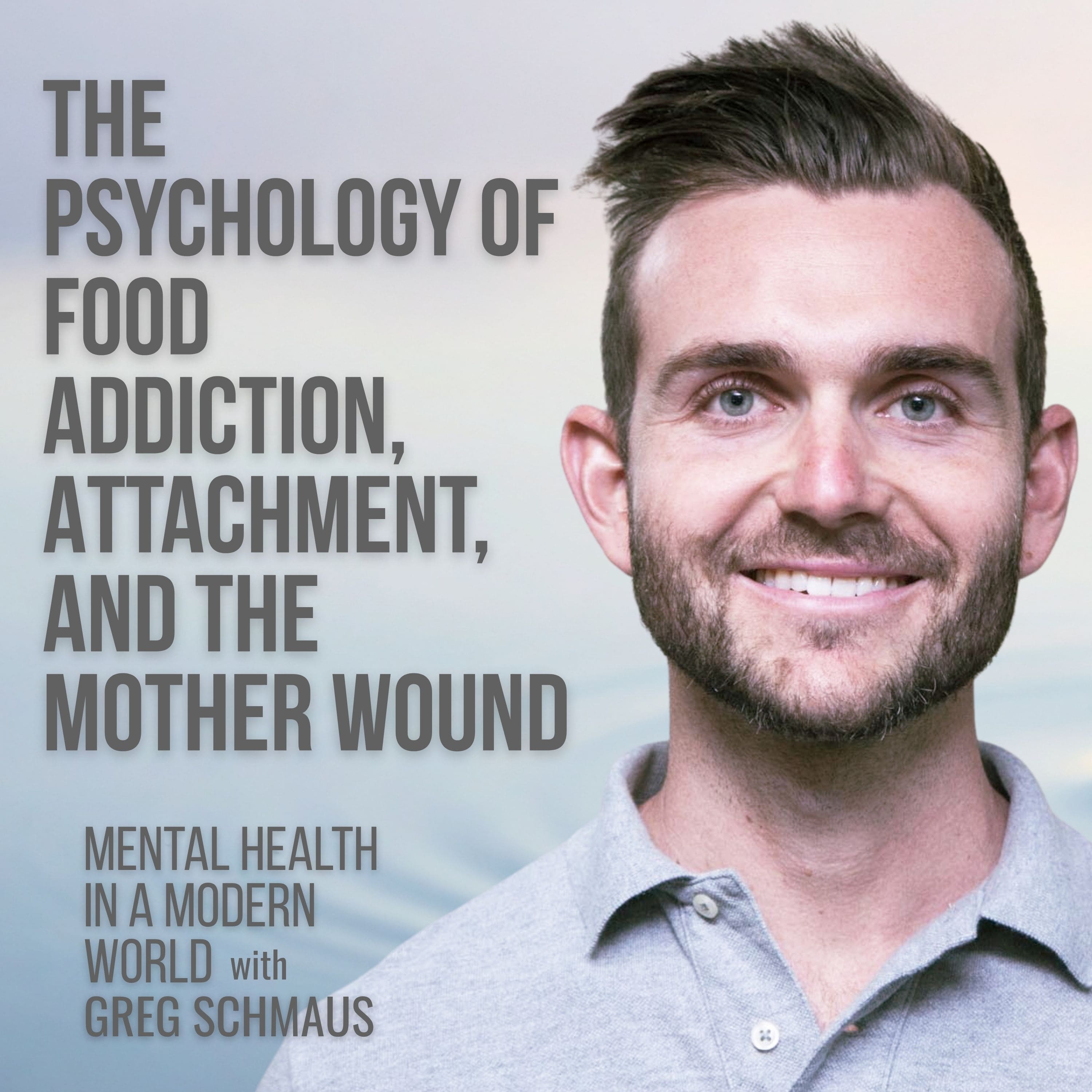
Why Your Relationship With Food Mirrors Your Mother Complex
Where Your Relationship With Food Begins
Food is nourishment. And our very first nourishment comes from our mother’s body, first in the womb and then through breast milk.
That’s why our relationship with food often parallels our relationship with our mother. It also shapes how we relate to our body, our feelings, and our inner world.
What Is the Mother Complex?
In Jungian psychology, the mother archetype is more than your biological mother. It’s also your inner mother, or how you care for and nourish yourself. The mother complex is the emotionally charged experience of your mother that you carry in your unconscious.
Five Patterns to Look For
Ask yourself how you treat food. Do you:
- Control or micromanage what, when, and how much you eat?
- Neglect yourself, skip meals, or starve yourself?
- Smother or self-medicate your feelings with food?
- Swing between bingeing and restriction?
- Override your body’s signals of hunger and fullness?
Then ask how each pattern might mirror the way you were parented. Hold both light and shadow. Avoid putting a parent on a pedestal, and avoid falling into blame.
Why Food Addiction Is Rooted in Attachment Injuries
At least 90% of addiction, and maybe close to 99%, is rooted in attachment injuries. As children, we need safe connection with a parent or caretaker. When that bond breaks, we look for other ways to feel warmth, soothing, and relief.
Food, alcohol, drugs, and entertainment never judge, reject, or abandon us. They offer on a biological level what a caretaker ideally would. Food also gives a dose of oxytocin, the hormone of warmth and care.
One of the most common sources of attachment injury is a child who feels responsible for caring for a parent’s emotional state.
Feeding Your Body or Feeding Your Ideas?
Attunement means deeply listening to your own experience without judgment or assumption. Most people assume what their body needs based on beliefs they’ve picked up.
For example, someone may follow a strict vegetarian diet and lose muscle and strength. Someone else may chase a protein target while dealing with constipation and a compromised microbiome. Dogma shows up on both sides.
When you hold a rigid idea about the best diet, you stop listening. Your body carries billions of years of intelligence in its cells. Listening to it is a form of mothering yourself.
The Biology Behind Stress Eating and Cravings
Biology plays a role too.
Cortisol and Insulin
When you’re stressed, cortisol rises. Eating carbs or sugar releases insulin, which lowers cortisol. Cortisol is the fire, and insulin is the water that puts it out. That’s why stress makes us crave carbs.
The Gut Microbiome
Your microbiome is a living garden inside you. It helps make hormones and neurotransmitters. Some organisms, like fungal or parasitic ones, crave sugar. Sometimes your gut is driving your food choices.
Food and Information Work the Same Way
Whenever you eat, you take in energy as calories and information as nutrients. Scrolling a screen is the same exchange in another form. In both cases, focus on:
- Quality: choose organic food and learn from books or courses instead of clickbait.
- Quantity: eat until satisfied, and take in only what you can digest.
- Diversity: eat many foods for a diverse microbiome, and welcome many perspectives so you avoid monocropping your mind.
Balance Creation and Consumption
When you cook, you create. When you eat, you consume. If you rely on drive-throughs and delivery, you consume far more than you create.
We are creators by nature. Making a meal with care supports your dopamine system and your sense of connection to spirit.
Three Pillars of Mental Health and Food
- Blood sugar: swings create stress hormones and emotional instability.
- Inflammation: processed foods can fuel anxiety, depression, and OCD through a permeable gut.
- Microbiome: it supports your mood chemistry.
The Spirituality of Food
Everything you consume becomes your body. Plants, animals, and even water carry energy and consciousness. Eating and drinking can be a spiritual practice.
When we overconsume, we may be trying to fill a soul void. Cravings are often a stand-in for desires we haven’t expressed, like knowing ourselves, creating, and connecting with something greater.
Key Takeaways
- Notice how you control, neglect, smother, or swing between extremes with food, then trace it to your mother complex.
- Treat food addiction as an attachment injury and meet the underlying need with compassion.
- Ask your body what it needs before you follow a diet rule.
- Support blood sugar, lower inflammation, and feed your microbiome.
- Balance creation and consumption by cooking meals you pour yourself into.
“Cravings are a lot of times the replacement for a lack of fulfilling of desire on a soul level.”
“Are you feeding your body, or are you feeding your ideas?”
“How we care for and nourish our body is how we mother ourselves.”
Take the Next Step
If this resonates, there is more to learn about holistic mental health, parts work, and the mother archetype. Subscribe to the Mental Health in a Modern World podcast, visit Healing4D.com, or reach out about one-on-one coaching with Greg Schmaus.